
How one 42-year-old overcame fitness information overload and achieved his best transformation ever.
Table of Contents
Fitness Information Overload: The Hidden Problem Plaguing Smart, Motivated People
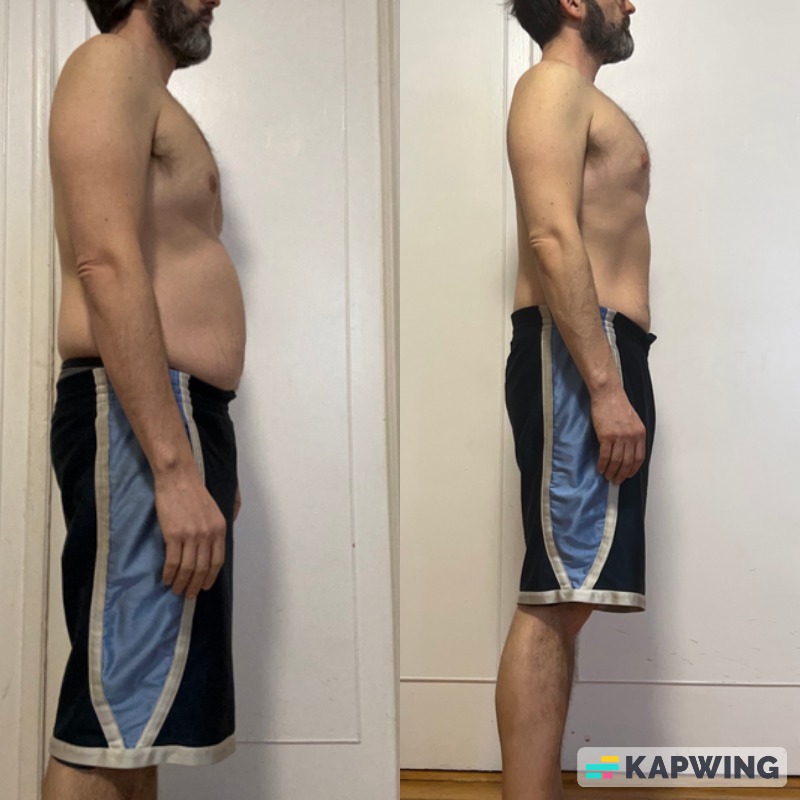
Joshua thought he had everything he needed to get in shape.
At 42, he’d researched countless fitness programs, bookmarked the best nutrition blogs, and downloaded every highly-rated workout app. His browser was filled with tabs of “evidence-based” training protocols and “science-backed” diet plans.
Yet after years of starting and stopping different programs, he had zero results to show for it.
Sound familiar?
Fitness Information Overload Trap: Why More Knowledge Doesn’t Equal Better Results
The Modern Fitness Paradox
In today’s digital age, we have unprecedented access to fitness and nutrition information. A simple Google search for “how to lose weight” returns over 3 billion results. YouTube offers millions of workout videos. Instagram influencers share daily “tips” and “hacks.”
But here’s the problem: more information often leads to less action.
Josh’s experience illustrates what researchers call “analysis paralysis” – when too many options prevent decision-making and consistent action.
Josh’s Fitness Journey: A Case Study in Information Overload
Before Coaching: The Endless Cycle
- Tried bodyweight fitness routines (quit after 6 weeks)
- Attempted Couch to 5K (stopped due to injury)
- Followed rowing programs (lost motivation after 2 months)
- Downloaded NYT At Home Workout (abandoned when results came slowly)
The Pattern: Joshua would start strong, encounter a challenge or plateau, then search for a “better” program instead of staying consistent.
“I was progressing through influencers while making no progress on my goals,” Joshua explained.
Why Generic Information Fails
The fitness industry thrives on selling the “perfect” program. But what works for a 25-year-old bodybuilder won’t necessarily work for a 42-year-old with a desk job, family responsibilities, and previous injuries.
Generic advice lacks context:
- Your specific goals and lifestyle
- Your current fitness level and limitations
- Your food preferences and social situations
- Your schedule and time constraints
- Your past experiences and psychological barriers
The Solution: Personalized Guidance Over Information Collection
What Changed Everything for Joshua
When Josh started working with a me, the approach was radically different:
Instead of more information, he got:
- Four specific workouts are designed for his fitness level
- Basic nutrition adjustments tailored to his preferences
- Daily check-ins for accountability and course correction
- Progress tracking focused on the right metrics
“Someone out there has the knowledge you’re chasing; it’s time to give up the reins and let them lead,” Josh reflected.
The Accountability Factor
Research shows that people are 65% more likely to complete a goal when they commit to someone else. Joshua’s daily logging and regular text check-ins helped him push past the 2-month mark, where he typically quit.
The breakthrough moment: Progress photos at month 3.
While the scale hadn’t moved as expected, the visual changes were undeniable. “I was stunned. I was OBVIOUSLY changing.”
Unexpected Results: When the Goal Changes
Beyond Weight Loss: Joshua’s Real Transformation
Josh came to coaching with one goal: to lose weight. After three months, his perspective had completely shifted.
Physical improvements:
- Better sleep quality (no more hip pain)
- Increased strength (more pull-ups than ever before)
- Reduced injury risk
- Improved posture and mobility
Mental and emotional changes:
- Food freedom and confidence in social situations
- Increased willpower that transferred to other life areas
- Self-trust and consistency in personal projects
“I came to coaching to lose weight. The only thing I lost was the idea that losing weight was the right goal for me.”
The Compound Effect of Consistency
Josh’s fitness success created a ripple effect: “My demonstrated ability to stick with coaching has spilled over into other areas of my life. I no longer quit personal projects after an initial disappointment.”
This illustrates a key principle: developing consistency in one area often improves self-efficacy across all areas of life.
Key Takeaways: How to Escape Fitness Information Overload
1. Recognize the Problem
If you’re constantly researching new programs but not seeing results, you might be caught in the information trap.
2. Seek Personalization Over Perfection
The “perfect” program doesn’t exist. The right program is one that fits your specific situation and that you can follow consistently.
3. Focus on Implementation Over Information
Stop collecting knowledge and start applying what you already know. Consistency with an imperfect plan beats perfect knowledge with inconsistent action.
4. Measure What Matters
Weight is just one metric. Track energy levels, sleep quality, strength gains, and how your clothes fit. These often change before the scale does.
5. Build Systems, Not Just Goals
Josh’s success came from daily habits and accountability systems, not just having a weight loss target.
The Science Behind Personalized Fitness Coaching
Why One-Size-Fits-All Approaches Fail
Research in exercise science consistently shows that individual responses to training and nutrition vary significantly due to:
- Genetic factors: Muscle fiber types, metabolism rates, and nutrient processing
- Lifestyle variables: Stress levels, sleep patterns, and activity outside the gym
- Psychological factors: Motivation styles, preference for structure vs. flexibility
- Social environment: Family dynamics, work culture, and peer influences
The Role of Accountability in Behavior Change
Studies indicate that external accountability increases success rates dramatically:
- Self-commitment: 10% success rate
- Commitment to someone else: 65% success rate
- Regular check-ins with accountability partner: 95% success rate
Joshua’s transformation demonstrates these principles in action.
Conclusion: Your Next Steps
If you recognize yourself in Josh’s story – smart, motivated, but stuck in analysis paralysis – it might be time to stop researching and start implementing.
Ask yourself:
- Are you progressing through programs without making progress toward goals?
- Do you have more fitness bookmarks than actual results?
- Have you been “getting ready to get ready” for months or years?
Sometimes the bravest thing you can do is admit you need guidance, not more information.
Ready to Break Free from Information Overload?
Joshua’s story shows that the right approach isn’t about having perfect knowledge – it’s about having the right guidance for your specific situation.
If you’re tired of collecting information without seeing results, it’s time for a different approach.
###
Photo by Vitalii Pavlyshynets on Unsplash